Ipamorelin Injection 5mg: What You Need to Know
Wiki Article
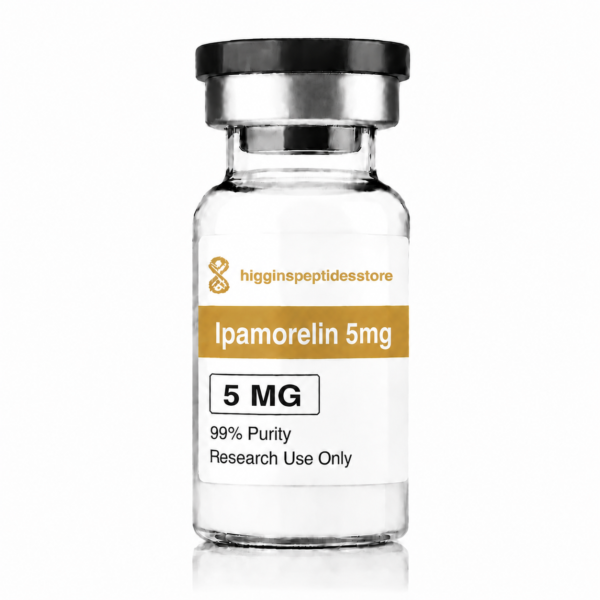
Ipamorelinis a synthetic peptide classified as a growth hormone secretagogue (GHS). It stimulates the body's natural release of growth hormone (GH) by activating the ghrelin receptor in the pituitary gland. Among GH-releasing peptides, Ipamorelin is often noted for its selectivity and relatively low impact on cortisol and prolactin levels compared with older compounds such as GHRP-6 and Hexarelin.
What Is Ipamorelin 5mg?
A typical Ipamorelin 5mg vial contains 5 milligrams of lyophilized (freeze-dried) peptide intended for research or compounded use where legally permitted. Ipamorelin is a pentapeptide that promotes pulsatile growth hormone release, mimicking the body's natural GH secretion patterns rather than supplying growth hormone directly.
How Does Ipamorelin Work?
Ipamorelin binds to the growth hormone secretagogue receptor (GHS-R1a), also known as the ghrelin receptor. This interaction signals the pituitary gland to release growth hormone in pulses, which subsequently stimulates production of insulin-like growth factor-1 (IGF-1).
Researchers are particularly interested in Ipamorelin because it appears to:
- Stimulate natural GH release
- Produce minimal increases in cortisol
- Cause little or no prolactin elevation
- Have less effect on appetite than some other GHRPs
Areas of Research Interest
Growth Hormone Optimization
Ipamorelin has been extensively studied as a tool for increasing endogenous growth hormone secretion while maintaining natural hormonal rhythms.
Recovery and Tissue Repair
Researchers have investigated whether increased GH and IGF-1 levels may support:
- Exercise recovery
- Tissue repair processes
- Connective tissue health
- Sleep quality improvements
Body Composition Research
Studies and ongoing investigations have explored potential effects on:
- Lean body mass
- Fat metabolism
- Recovery from physical stress
- Overall body composition changes
Common Research Protocols
Published research references commonly discuss:
- Subcutaneous administration
- Typical research doses ranging from 100–300 mcg per administration
- Multiple daily administrations in some protocols
- Study durations often lasting several weeks
Specific dosing for medical or personal use should only be determined by a qualified healthcare professional.
Potential Side Effects
Reported side effects and concerns associated with Ipamorelin research include:
- Headaches
- Lightheadedness
- Mild water retention
- Injection-site irritation
- Temporary flushing
- Rare allergic reactions
As with any compound that affects hormone pathways, individual responses may vary.
Frequently Discussed Combinations
In peptide research communities, Ipamorelin is frequently discussed alongside CJC-1295, a growth hormone-releasing hormone (GHRH) analog. The two compounds act through different pathways and may produce synergistic GH pulses when studied together.
Community discussions often describe this combination as one of the most commonly researched GH-peptide pairings, although anecdotal reports should not be considered medical evidence.
Regulatory Status
Ipamorelin is not approved by the U.S. Food and Drug Administration (FDA) as a prescription medication for general therapeutic use. It is commonly sold as a research peptide, and its regulatory status varies by jurisdiction.
Storage and Handling
Research suppliers generally recommend:
- Storing lyophilized peptide in a cool, dry location
- Protecting from excessive heat and light
- Refrigerating after reconstitution
- Using sterile handling procedures when applicable
Conclusion
Ipamorelin 5mg is a selective growth hormone secretagogue that has attracted significant attention in peptide research because of its ability to stimulate natural GH release with relatively limited effects on cortisol, prolactin, and appetite. Current research continues to explore its potential roles in recovery, metabolism, body composition, and healthy aging. However, it remains an investigational compound rather than a widely approved medical therapy, and anyone considering its use should consult a qualified healthcare professional.
Report this wiki page